About Page Checklist: 9 Details Visitors Actually Want to Know

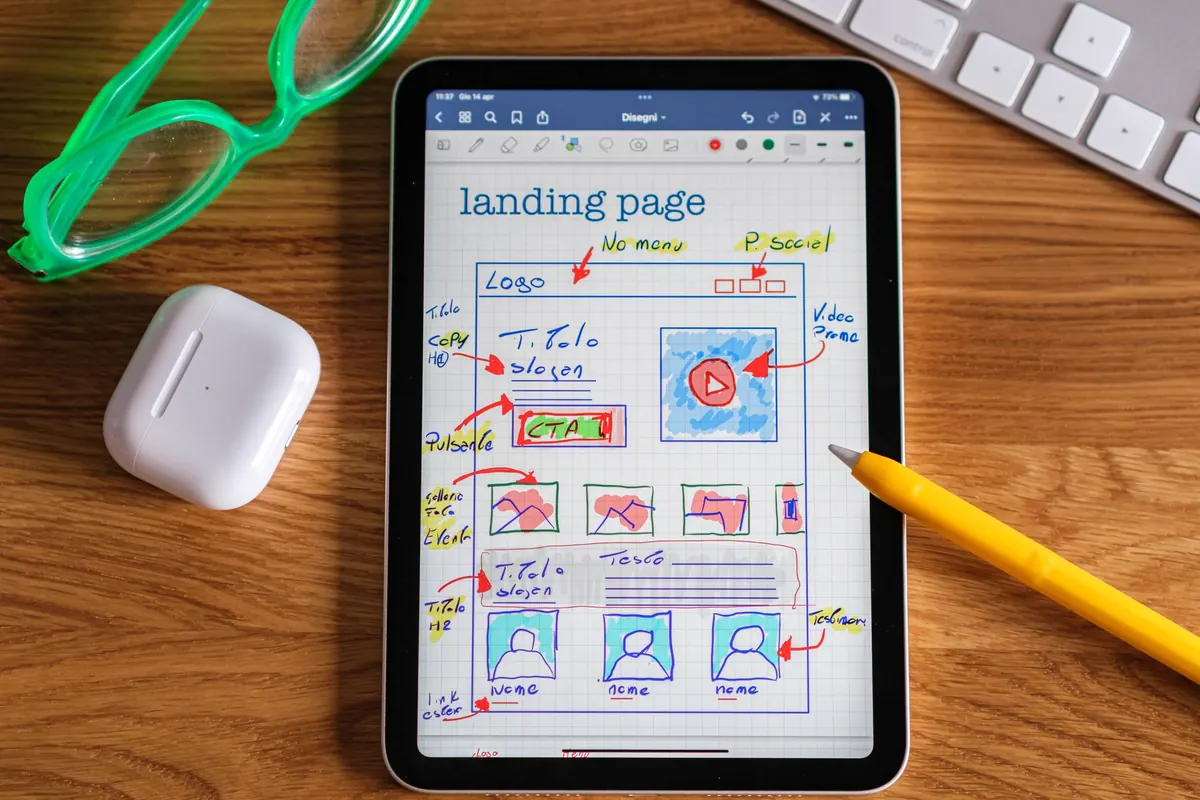
Most about pages get written last, in a hurry, somewhere between finishing the portfolio grid and fixing the contact form. That is usually why they read like a formality: one paragraph of biography, three adjectives, a photograph. Meanwhile the visitor is trying to answer a very practical question — can this person do the thing I need, and will working with them be easy? Everything on the page should serve that question. Here are the nine details people actually look for, and how to write each one without turning your about page into an autobiography.
Photographer. Designer. Consultant. These words carry a lot of weight for the person writing them and very little for the person reading them. A visitor scanning your page needs to place you in about three seconds, and a job title does not do that.
Say what you make and who it is for. "I design packaging for small food producers" tells someone more than "I am a multidisciplinary creative." "I build booking systems for independent clinics" beats "I am a web developer with a passion for clean code." The first versions are narrower, which feels risky when you are writing them, and that is exactly why they work.
Then make a short list of what you offer, one line each, no jargon. And add a sentence about what you do not do. Turning down the wrong project politely is easier than untangling a bad one, and visitors appreciate the honesty.
Three sentences is usually enough. Not a chronological CV, but the shortest honest answer to "why this work?" If you came to it from an unusual direction — a decade in logistics before moving into illustration, a family trade, a degree in something unrelated — that is often the most memorable thing on the page. It explains an odd combination of skills and shows you did not arrive by accident.
Include one specific detail a client could repeat when recommending you. "I spent six years doing print production before I started designing, which is why I check bleeds before anyone asks" is a small thing that quietly signals competence.
Hiring someone you cannot see is uncomfortable, and most of that discomfort comes from not knowing what happens next. Walk through a typical engagement in four or five steps:
Add the honest logistics: your usual reply time, the channel you prefer, how you handle a change of direction halfway through a project. Naming the awkward parts — missed deadlines, revisions that go past the agreed number — makes you look like someone who has done this before, because you have.
Credibility is not a list of adjectives. It is evidence. Use the names of clients you have permission to mention, describe one or two projects with the outcome rather than the process, and quote testimonials that mention something specific — "she caught a pricing error in the prototype before launch" is worth ten lines of praise. If you hold a relevant qualification or have spent years inside a particular industry, say so plainly and move on.
Numbers help when they are real: projects completed, years in the field, the size of a team you worked with. Leave out the ones you would have to round up.
This is the section people skim for, so make it easy to scan. Where are you based, and which time zones can you work across comfortably? Which languages do you work in? Do you take on fixed-scope projects, ongoing retainers, or both? Are you available for travel or in-person meetings, or is everything remote?
You do not have to publish rates, but say how you price — per project, per day, monthly — so nobody has to guess. Then let a little personality in. A line about how you like to communicate, the kind of client you do your best work with, or the thing you are learning this year will do more for a connection than any paragraph of self-description.
Do not let the page trail off. Choose a single action and repeat it: send a short note describing your project, book a twenty-minute call, download the portfolio PDF. Give the email address as text, not just an icon, and say what happens after someone writes — "I reply within two working days, usually with two or three questions." Uncertainty is what stops people from clicking; one sentence of reassurance is often enough to fix it.
Reading your draft aloud catches the sentences you would never say to a person. Cut the first paragraph if it is warming up rather than saying something. Check the page on a phone, since that is where most people will meet it. Then ask one real client to read it and tell you what they think you do — if their answer does not match your first section, rewrite the first section.
Finally, put a date in your calendar to revisit the page every few months. Your services shift, your proof improves, and a sentence that was accurate last spring quietly stops being true. Fifteen minutes of maintenance keeps the page doing its job.
Photo: olia danilevich / Pexels
Previous Post
Common Portfolio Mistakes That Make Visitors Leave Quickly
Next Post
How to Choose Between a One-Page Portfolio and a Multi-Page Site